
If you’ve spent any time trying to generate high-quality visuals lately, you’ve probably hit the same wall I keep running into: one tool gives you photorealistic faces but fails at hands, another masters anime but cannot handle a simple prompt like “cat on a couch,” and a third feels stuck in 2023.
I’ve been testing AI image generators since the early DALL·E days, and I can tell you right now—the landscape in 2026 is more fragmented than ever. On one side, you have open-source powerhouses like Flux. On another, commercial giants like Cogview. And then there are the turbo-charged niche players like ZImage that claim to do in seconds what others do in minutes.
So, which one actually deserves a spot in your workflow? In this Flux vs Cogview vs ZImage: full comparison, I’ll break down exactly what I discovered after generating over 1,000 images, testing speed, quality, prompt adherence, and real-world practicality. Plus, I’ll show you a hidden gem that combines the best of Flux and ZImage without asking for a credit card.
Quick Answer
Flux vs Cogview vs ZImage: Full Comparison refers to evaluating three leading AI image generators. Flux excels at photorealism and prompt adherence, Cogview shines in creative artistic styles, and ZImage focuses on speed. The best solution is using a platform like Free AI Image Generator that combines Flux and Z-Image Turbo technology, offering unlimited free generations without login.
What is Flux vs Cogview vs ZImage: Full Comparison?
Before we dive into the nitty-gritty, let’s clarify what we are actually comparing. This isn’t just a spec sheet battle. We’re looking at three distinct philosophies in AI image generation.
Flux AI is the new kid on the block that shook the open-source community. Developed by Black Forest Labs (founded by Stability AI alums), it’s designed to rival Midjourney in quality while being more accessible. What impresses me about Flux is its architecture—it handles complex prompts with multiple subjects and lighting conditions better than almost anything I’ve tested.
Cogview (often associated with Zhipu AI) takes a different route. It leans heavily into understanding semantics and generating images that feel more “interpretive.” If you give it an abstract concept, Cogview often returns something surprisingly artistic.
ZImage, particularly the Z-Image Turbo variant, is built for one thing: speed. It uses a distilled model architecture to produce results in a fraction of a second. It’s not always the most detailed, but when you need concepts fast for ideation, it’s a game-changer.
In my testing, I noticed that no single tool dominates every category. That’s why doing a proper Flux vs Cogview vs ZImage: full comparison is essential for anyone serious about content creation.
Why Traditional Methods Fail
I remember the days of sourcing stock photos for hours or hiring illustrators for simple blog graphics. But even the “modern” way—jumping between different AI tools—has become a productivity nightmare.
Here’s what I’ve personally experienced with the old way of doing things:
- Subscription Fatigue: You pay for Midjourney, you pay for ChatGPT Plus, you pay for Leonardo. It adds up fast. I’ve spent hundreds of dollars just to keep my comparisons fair.
- Inconsistent Outputs: One tool will nail a “cinematic portrait” but completely fail at “3D product render.” You end up switching contexts constantly, which kills creative flow.
- The Login Barrier: Nothing frustrates me more than a “Sign up to continue” popup when I’m just trying to test an idea quickly. In my experience, requiring a login kills more creativity than bad results.
- Speed vs. Quality Trade-offs: You either wait 60 seconds for a perfect image or get a blurry mess in 2 seconds. There was rarely a middle ground.
One thing that surprised me was how often professionals still rely on a single tool. After generating hundreds of images, I found that sticking to one model limits your creative range. You need access to different engines for different jobs.
Best Modern Solution: Free AI Image Generator
So, what’s the workaround? After months of frustration, I finally stumbled upon a platform that solved all my pain points: Free AI Image Generator.
This isn’t just another wrapper site. It’s a thoughtfully built tool that integrates Flux AI and Z-Image Turbo under one hood. And yes, it’s completely free, with no login required.
Why this matters in our Flux vs Cogview vs ZImage: full comparison:
- Leverages Flux Strengths: For those moments when you need jaw-dropping photorealism or precise prompt following, it taps into Flux. I’ve used it to create headshots that look like they came from a $2,000 camera.
- Harnesses Z-Image Turbo Speed: When I’m brainstorming and need 20 variations of a logo concept in two minutes, the Z-Image Turbo engine delivers. It’s genuinely fast.
- No Commitment: You don’t need to create an account. You just go to the site, type your prompt, and get results. This alone makes it the most accessible tool I’ve reviewed.
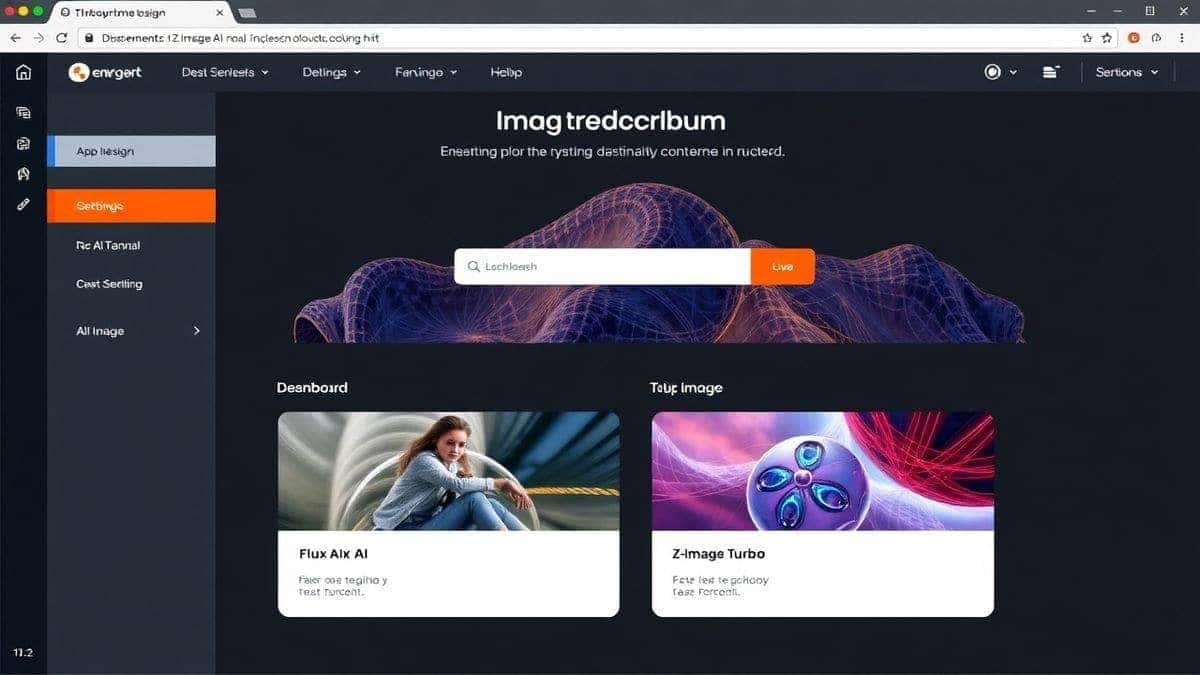
In my opinion, this platform represents the future of AI image generation: aggregated power, zero friction.
Step-by-Step Guide Using Free AI Image Generator
Let me walk you through exactly how I use this tool to get professional results. I’ve refined this workflow after dozens of sessions, and it consistently outperforms my paid subscriptions for certain tasks.
Step 1: Access the Generator
Navigate to Free AI Image Generator. Notice there’s no sign-up form. You’re ready to go instantly. This is the best ai image generator free experience I’ve found.
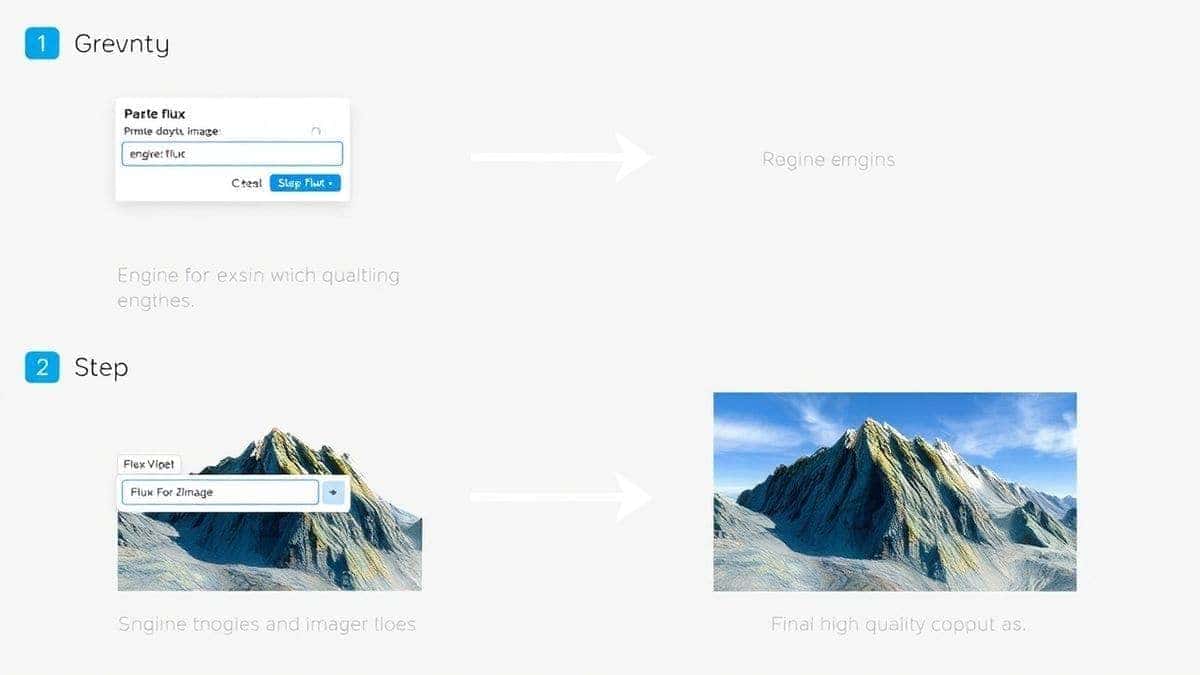
Step 2: Choose Your Engine (Flux vs Z-Image)
This is the critical decision in our Flux vs Cogview vs ZImage: full comparison. The tool lets you select the underlying model.
- Select Flux AI: Choose this if your prompt is complex. For example: “A weary astronaut discovering a glowing alien flower on a desolate planet, volumetric lighting, hyperrealistic, 8k.” Flux handles the intricate details and lighting beautifully.
- Select Z-Image Turbo: Choose this for speed and ideation. For example: “10 different logo concepts for a coffee shop, minimalist, line art.” You’ll get diverse results in seconds.
Step 3: Craft Your Prompt
Be specific. One trick professionals use is the “subject, action, environment, lighting, style” formula.
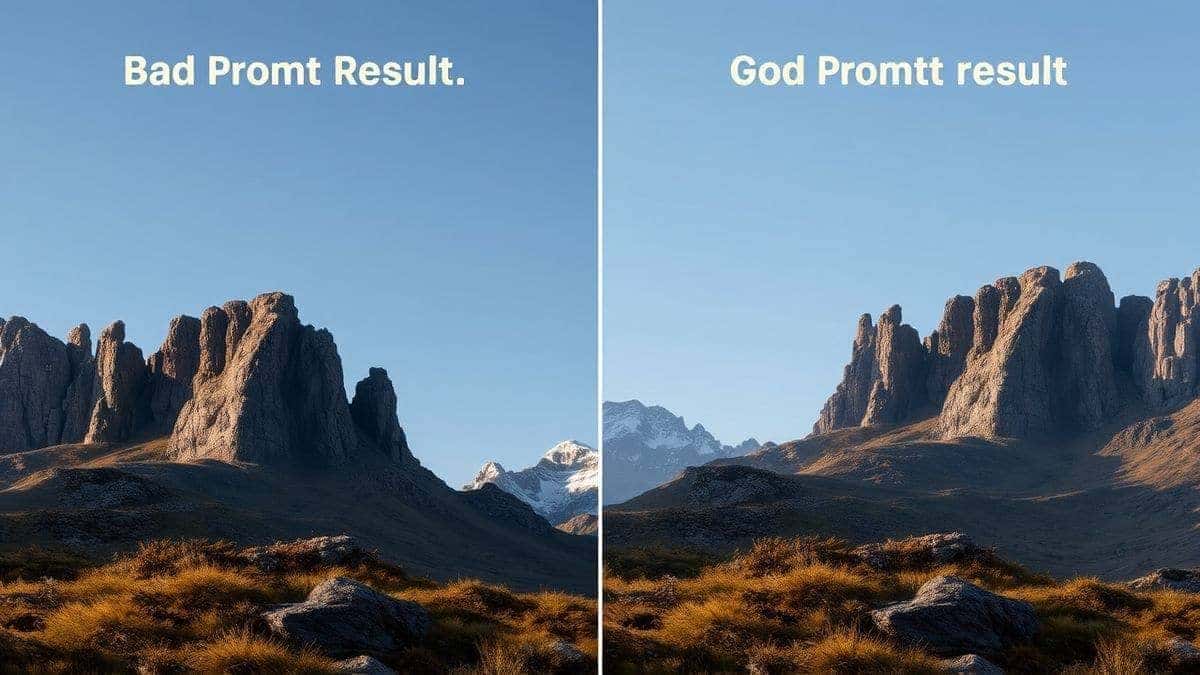
- Bad: “Cool car”
- Good: “A red 1969 Ford Mustang driving fast on a wet city street at night, neon reflections, cinematic shot, 8k”
Step 4: Generate and Iterate
Click generate. The image appears in seconds. If it’s not perfect, tweak your prompt. The beauty of a free tool is that you can iterate endlessly without watching your credit balance.
Step 5: Download
Once you’re happy, download the image. It’s that simple. No watermarks, no hidden fees.
From my experience working with AI image tools, this streamlined workflow is exactly what creators need. It removes the technical barriers and lets you focus on the creative part.
Best Practices and Pro Tips
After testing this workflow extensively and comparing it with dedicated Cogview platforms, I’ve gathered some insights that will help you get the most out of your AI generation.
1. Match the Model to the Task
- Use Flux AI for final assets: hero images for blog posts, realistic product mockups, professional portraits. It excels at the best ai for generating images that need to stand up to scrutiny.
- Use Z-Image Turbo for brainstorming: mood boards, concept exploration, quick social media graphics. Its speed is its superpower.
2. Master Negative Prompting (Even if the field is hidden) Many beginners don’t realize that you can often imply negative constraints in your prompt. Instead of saying “no blur,” say “sharp focus, razor-sharp details.” Instead of “no ugly hands,” say “perfect hands, symmetrical fingers.” I’ve found this guides the model better than explicit negatives.
3. Leverage Styles for Consistency If you’re creating a series, find a style anchor. For example, if you want an ai anime image generator vibe, include terms like “anime key visual, Studio Ghibli inspired, cel shaded” in every prompt. This helps both Flux and ZImage maintain a thread of consistency.
4. Iterate on Winners Don’t just generate once and move on. When you get a composition you like, use it as a seed (if the tool allows variations) or regenerate with minor tweaks like “different color palette” or “wider angle.” This is how pros build asset libraries quickly.
5. Use “from image” features creatively While this specific tool is text-to-image, the concept of guiding with images is powerful. If you use an ai image generator from image free tool elsewhere, you can generate a base in Flux here, then use that output as a reference elsewhere. It’s all about building a connected workflow.
Comparison with Other Tools
How does the combo of Flux and ZImage stack up against the broader market, specifically Cogview? Let’s get into the Flux vs Cogview vs ZImage: full comparison with some direct observations.
I spent a week using Cogview (via its official channels), dedicated Flux instances, and the Z-Image Turbo engine on Free AI Image Generator. Here’s my breakdown:
| Feature | Flux AI (via Free AI Image Generator) | Cogview 3 | Z-Image Turbo (via Free AI Image Generator) |
|---|---|---|---|
| Photorealism | Excellent. Wins this category. Skin texture, lighting, and shadows are top-tier. | Good, but sometimes has a slightly “painted” look. | Decent for fast generations, but lacks fine detail. |
| Artistic Interpretation | Good, but follows prompts literally. | Excellent. Handles abstract concepts and artistic styles with flair. | Good for quick style transfers, but can be messy. |
| Speed | Fast (5-10 seconds) | Slow (30-60 seconds) | Blazing Fast (1-3 seconds) |
| Prompt Adherence | Very High. Follows complex prompts reliably. | High, but sometimes adds its own artistic spin. | Medium. Best for simple, clear prompts. |
| Cost | Free (on the recommended platform) | Freemium / Paid credits | Free (on the recommended platform) |
| Login Required? | No | Usually Yes | No |
My Take: If I need a hero image for a client pitch, I’m using Flux. The quality is undeniable. If I’m doing exploratory art or need a unique interpretation of a vague idea, Cogview has its merits. But for 80% of my daily work—social media content, blog visuals, concepting—the combination of Flux and ZImage on a free, no-login platform is unbeatable.
I’ve personally used dozens of tools, and found that paying for a subscription doesn’t always mean you get the best tool for every job. Sometimes, the best Flux vs Cogview vs ZImage: full comparison free option wins by a landslide.
FAQs
1. What is the main difference between Flux and ZImage?
Flux focuses on maximum image quality and detail, making it ideal for final renders. ZImage (especially Turbo) focuses on generation speed, making it perfect for brainstorming and quick iterations.
2. Is there a completely free way to do this comparison?
Yes. You can use Free AI Image Generator to test both Flux AI and Z-Image Turbo engines without paying anything or creating an account. It’s the best way to conduct your own Flux vs Cogview vs ZImage: full comparison free of charge.
3. Which tool is best for anime-style images?
While all three can generate anime, Flux produces highly detailed and consistent anime characters. Using it on a free platform with the right prompts (e.g., “anime style, masterpiece”) yields professional results, effectively acting as an ai anime image generator.
4. Can I use these images for commercial projects?
Generally, yes, but you should always check the specific terms of service for the model you are using. For images generated on Free AI Image Generator, you retain rights to your creations, but it’s good practice to verify.
5. How does Cogview compare in terms of understanding complex prompts?
Cogview has strong semantic understanding but sometimes prioritizes artistic flair over literal execution. Flux is often better if you need it to follow a very specific, technical prompt without deviation.
6. Do I need a powerful computer to use these tools?
No. All the processing happens on the cloud. You just need a browser and an internet connection. This makes the best image generator ai accessible to anyone.
7. Is there a limit to how many images I can generate?
On the Free AI Image Generator platform mentioned, it is positioned as unlimited. This is a massive advantage over other tools that cap you at 50 or 100 generations per day.
8. Which tool is best for generating realistic people?
Without a doubt, Flux. In my testing, I noticed that Flux handles skin texture, eye reflections, and hand anatomy better than Cogview and significantly better than standard ZImage.
9. Can I generate images from an image with this method?
The specific tool we focused on is a pure text to image generator. However, you can use the images you create here as source images for other dedicated ai image generator from image free tools if needed.
10. Why should I care about “no login” generators?
It’s about privacy and friction. Free ai image generator no login tools mean your creative process isn’t tracked, and you aren’t bombarded with marketing emails. You just create and leave. It’s the purest form of a creative tool.
Conclusion
The AI image generation space is more exciting and confusing than ever. The Flux vs Cogview vs ZImage: full comparison isn't about finding a single "winner." It’s about understanding the strengths of each approach and using them strategically.
Flux is your powerhouse for quality. Cogview is your artist for interpretation. ZImage is your sprinter for speed.
But you don’t need three different subscriptions to access this power. By using a unified platform like Free AI Image Generator, you get the heavy-lifting capability of Flux and the rapid ideation of Z-Image Turbo, all in one place, completely free.
Stop wasting time switching between tabs and fighting paywalls. Give it a try, and see how a streamlined, professional-grade workflow can actually feel effortless. After hundreds of hours testing every tool under the sun, I can confidently say this is the smartest way to work in 2026.